Description
Short (≈50 words)
Atom 118 is a time-attack arcade: build all 118 elements of the periodic table. Drag protons, neutrons and electrons, from hydrogen to oganesson. Every element buys you seconds; rush it and the atom collapses. Free demo through ruthenium, full game for €1.99, with no ads and no data collection.
Long (≈230 words)
Work your way through the whole periodic table, from hydrogen to oganesson, against the clock.
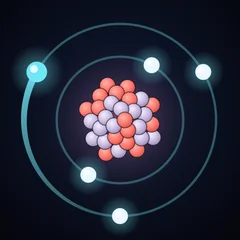
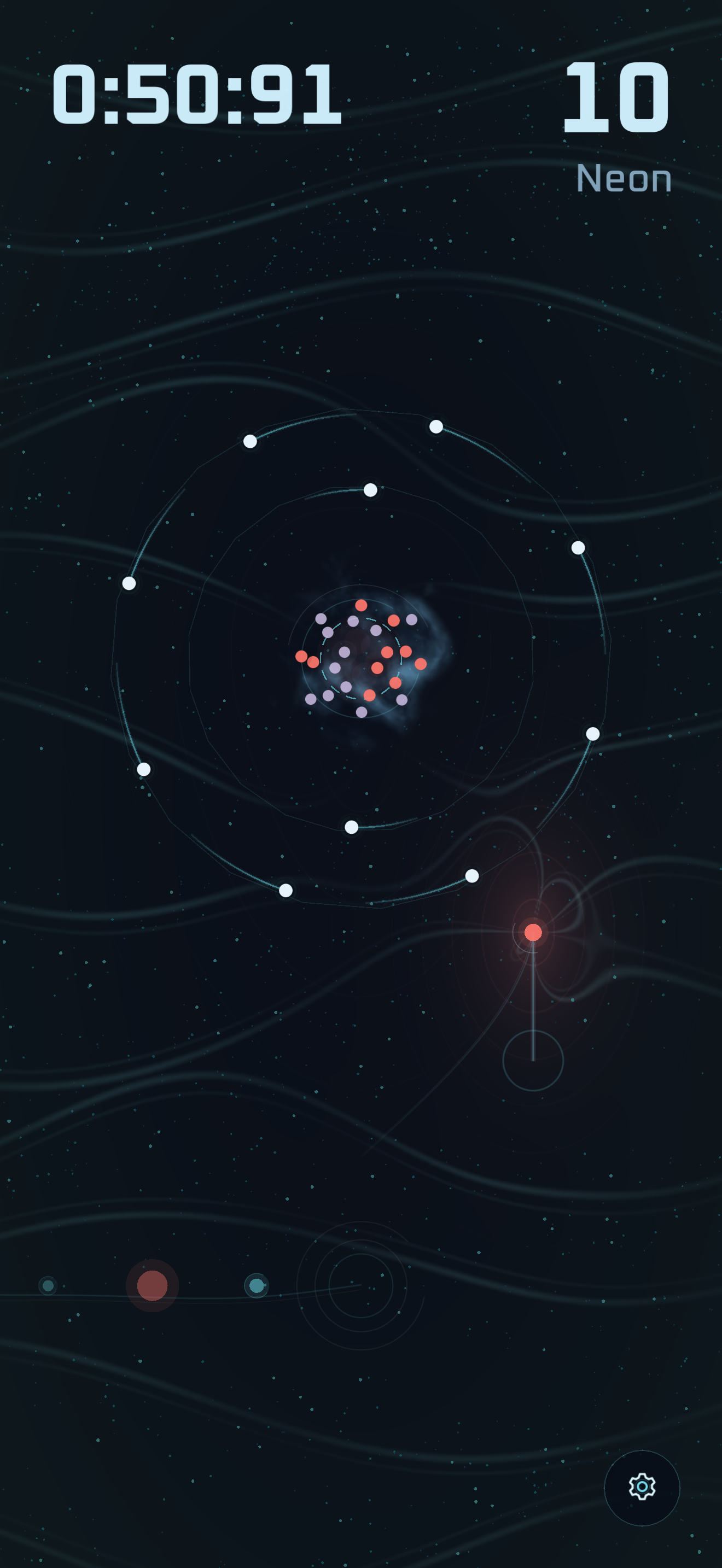
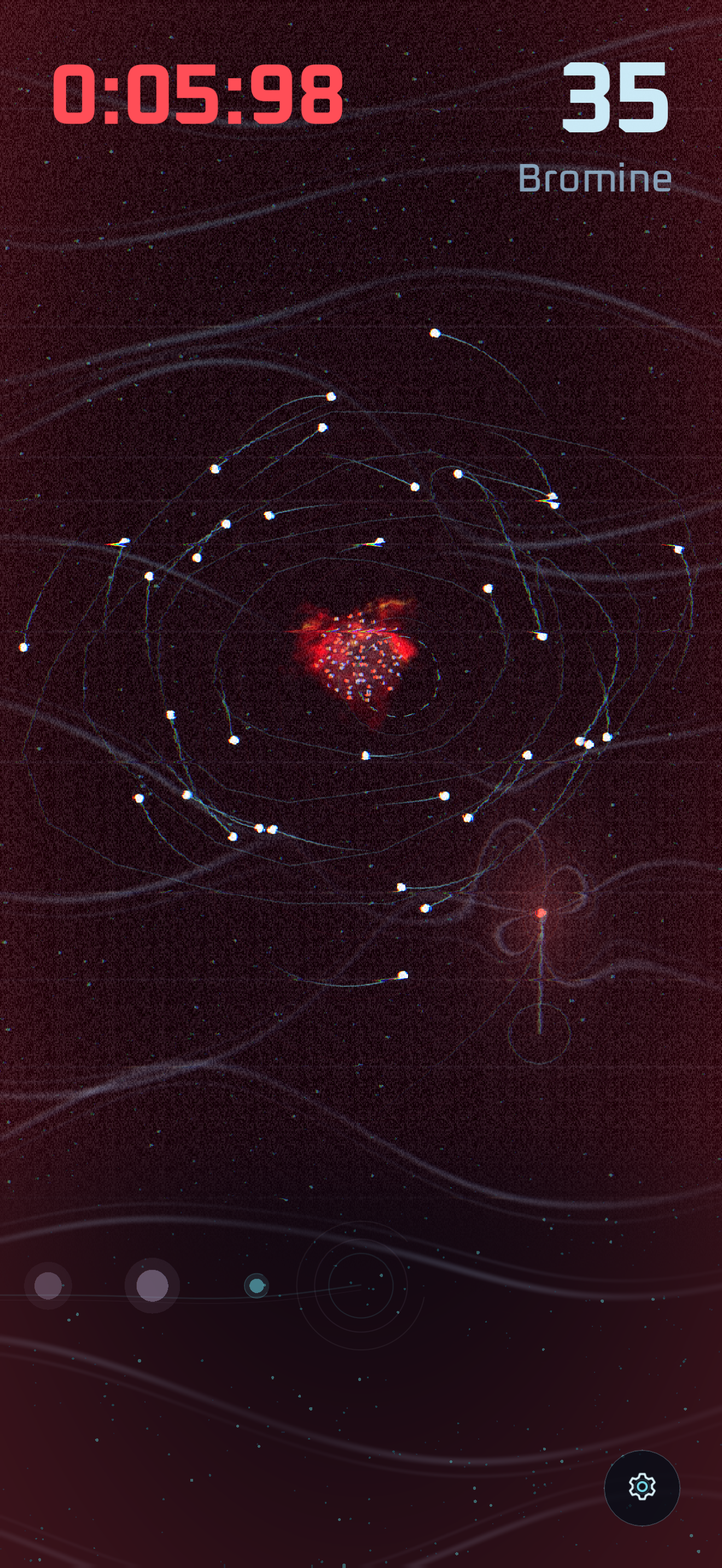
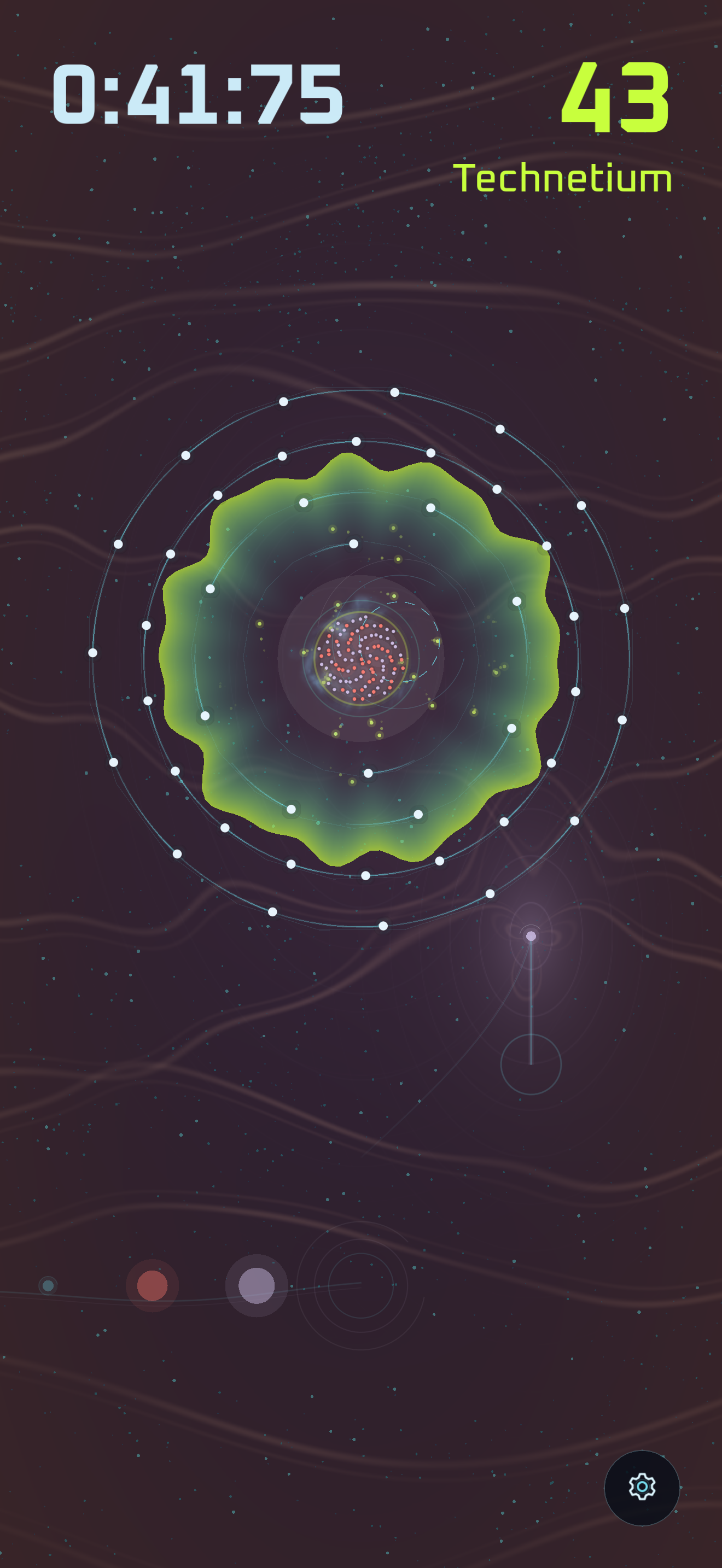
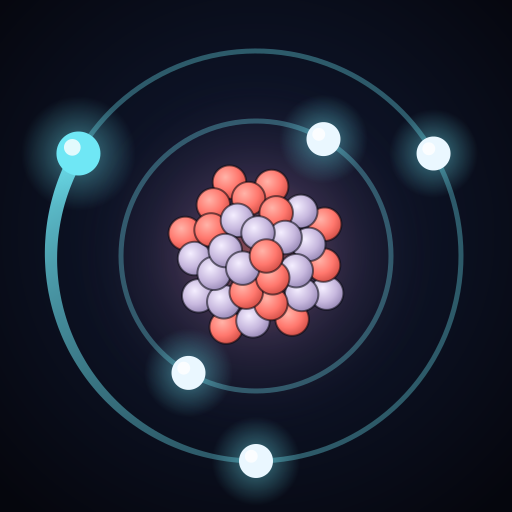
In Atom 118 you drag protons, neutrons and electrons into the nucleus and the rings of an atom that isn't a picture: every particle pushes, pulls and collides with the ones already there, and the whole system reacts. Place it carefully and it settles; rush it and it shakes; lose your balance and it collapses.
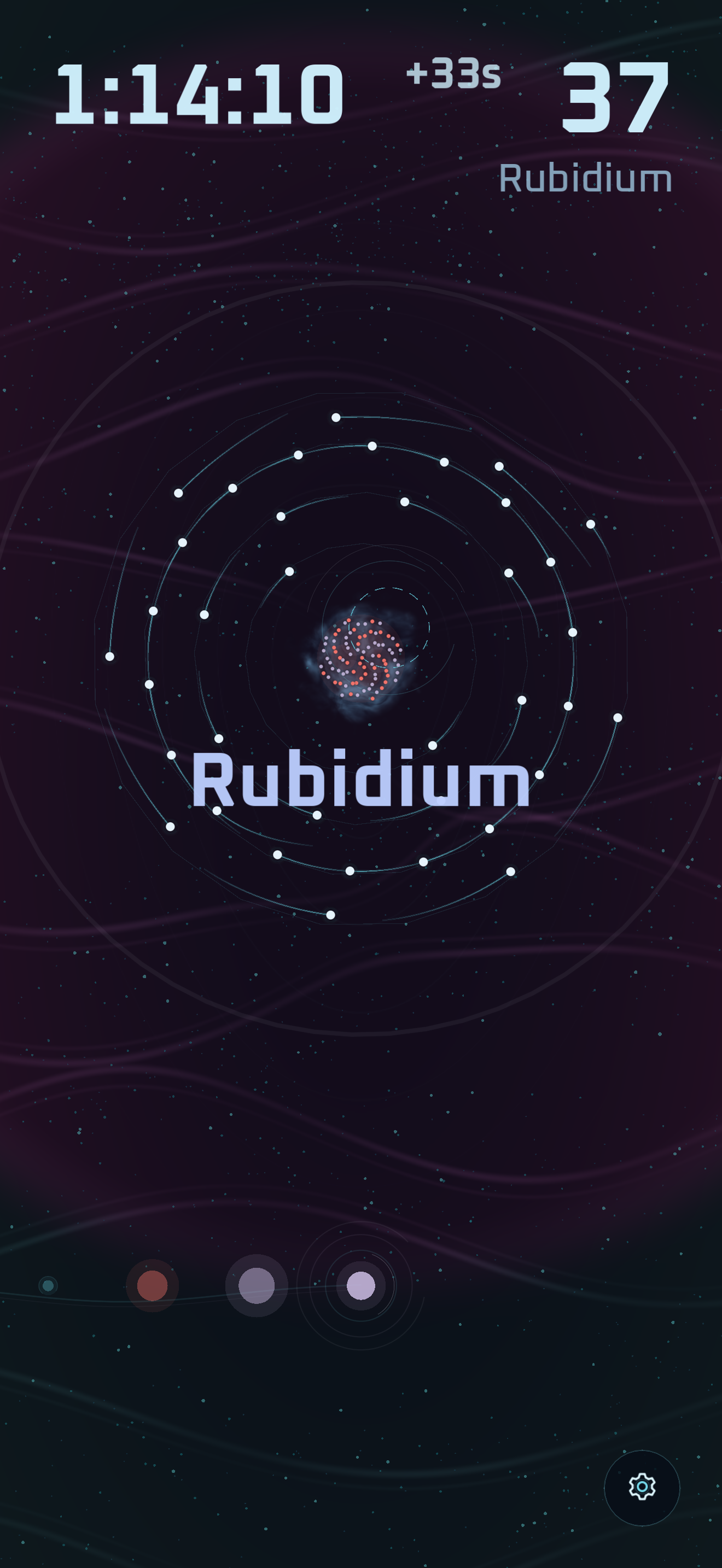
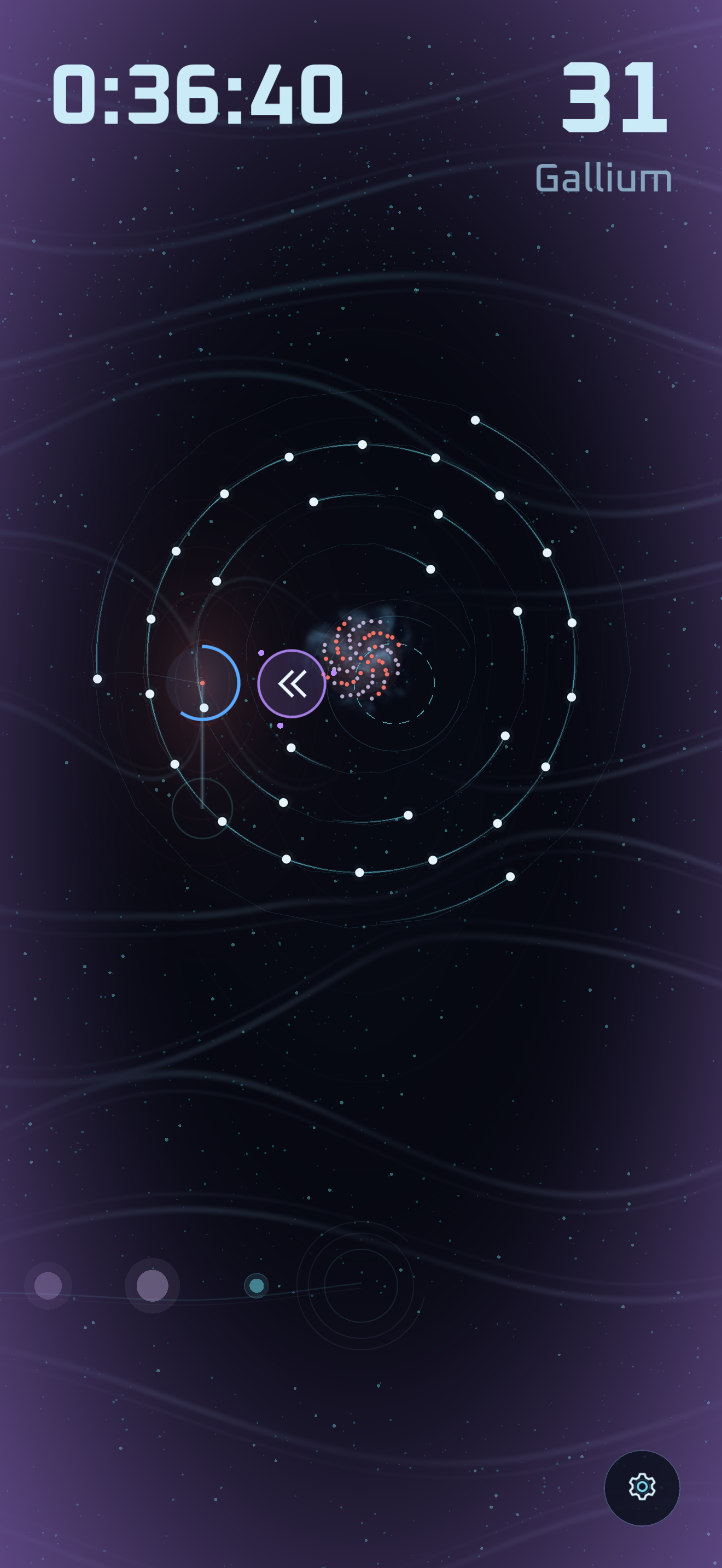
The clock keeps running down and every element you complete gives you seconds back. The noble gases are checkpoints and a moment to breathe. Power-ups (hourglass, shield, stabilizer and bullet time) appear near the atom and vanish if you hesitate. The background changes color with the element's family, and from technetium (Z=43), the first element with no stable isotopes, the atom turns radioactive: pulses, motes and decay get in the way of your gesture.
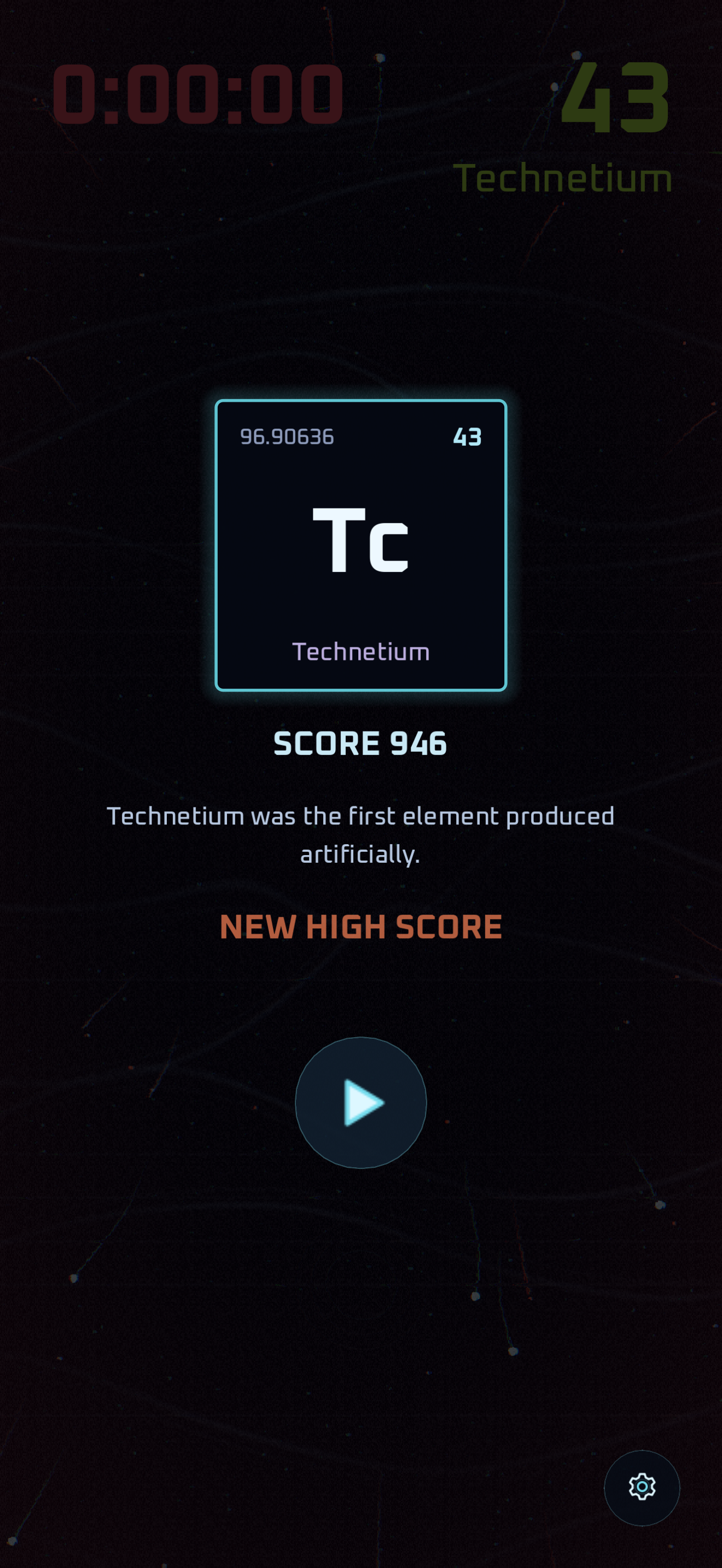
Your score depends on the highest element you reach and the seconds you have left. There is an interactive tutorial and a Practice mode with no clock.
Hydrogen to ruthenium (1–44) is free. A single €1.99 purchase unlocks the rest, all the way to oganesson. No ads, no subscription, no connection needed and no data collection. Interface in 26 languages.
The story
I made Atom 118 because I’ve always loved combining learning, sharing science and video games. I had the idea more than ten years ago, but back then I had neither the know-how nor the time to make it. I was inspired by Super Hexagon, One More Line and games like them, which achieve so much with so little.
Atom 118 started in August 2026 with a design question: is it fun to place particles by hand into a moving atom, upset its balance and still want to add another one? The first version, a slow physics puzzle, was tested on TestFlight in September. In October the game became a time attack: the clock, the noble gas checkpoints, the power-ups and the colors by family arrived in that version.
The visual identity revolves around a “phase braid”, an interference field that stays calm when the atom is stable, deforms with every impact and contracts when it collapses. The idea is that a screenshot without a logo is still recognizable as Atom 118.